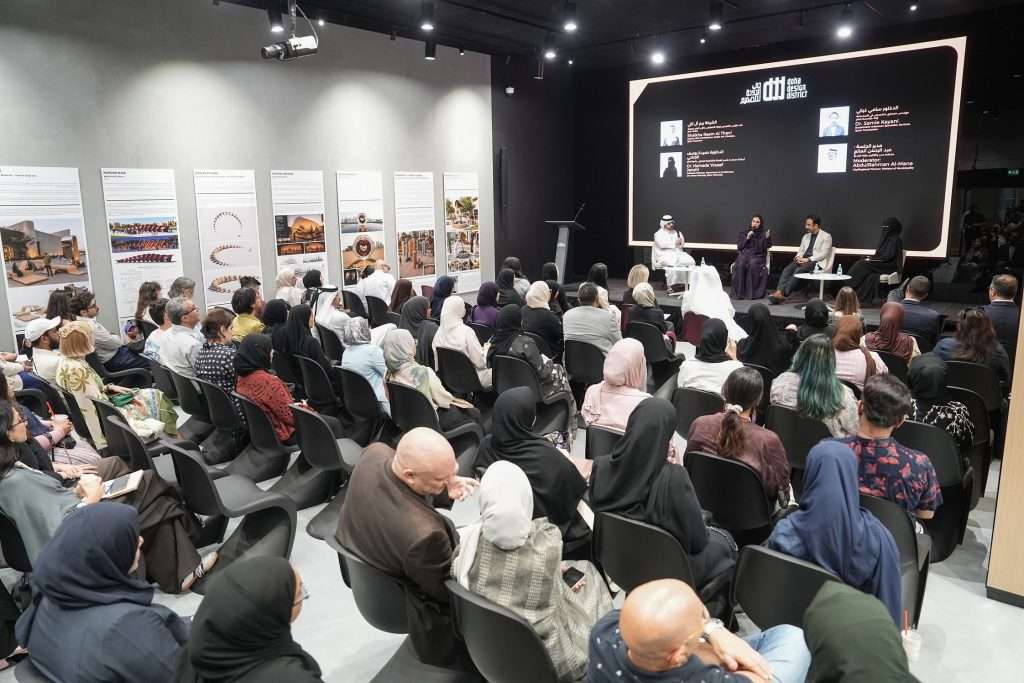
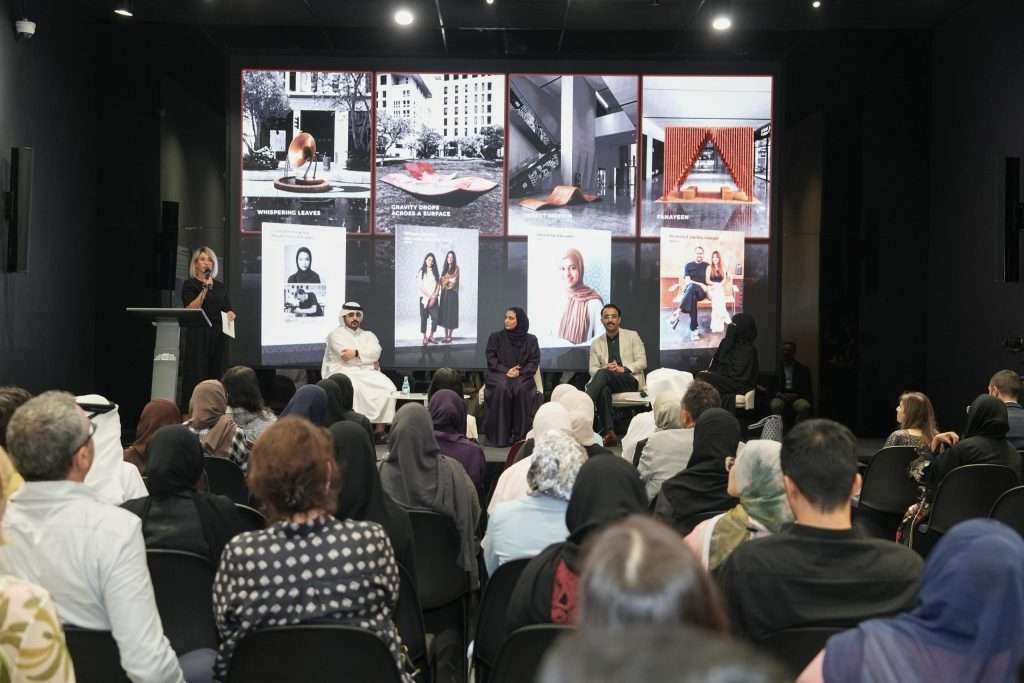
08 December 2025, Doha, Qatar: Doha Design District (DDD), in collaboration with Msheireb Properties and Hamad Bin Khalifa University (HBKU), has successfully concluded a 5-week course exploring Sustainable Islamic Urbanism, which positions Msheireb Downtown Doha as one of the world’s leading “Living Labs” for modern Islamic urban design.
Delivered as part of HBKU’s broader Sustainable Islamic Urbanism program, the module combined lectures, research tasks, and immersive fieldwork, allowing students to critically examine how heritage, identity, sustainability, and policy come together to shape future-ready cities in the Islamic world.
Eng. Ali Al Kuwari, CEO of Msheireb Properties, commented: “By integrating academic insight with our real-world development model, we are strengthening the foundations for future cities that are smarter, more sustainable, and deeply connected to their cultural context. Our role as a living laboratory reflects our responsibility to lead with innovation while safeguarding identity, an approach that continues to guide Msheireb’s contribution to Qatar’s long-term development vision.”
Fatima Mohamed Fawzy, Education and Sustainability Senior Manager at Doha Design District, said: “This collaboration reflects our belief that education must be lived, not just learned. By opening Msheireb Downtown Doha as a living classroom, we’re giving students the opportunity to see how heritage, sustainability, and innovation can coexist in real time. Our goal is to empower the next generation of designers and urban thinkers to shape cities that honour cultural identity while embracing global progress. Seeing students engage so deeply with the district’s values reminds us why investing in education is essential to Qatar’s creative future.”
Emine Filiz Kolmek, Assistant Professor of Sustainable Urbanism at Hamad Bin Khalifa University, said: “Through this collaboration, our students experienced how core values, urbanism concepts, and cultural sustainability rooted in the Islamic tradition can be actualised and meaningfully reinterpreted in contemporary urban design. Msheireb Downtown Doha serves as a rare living laboratory where theory and practice meet—allowing students to analyse sustainability, heritage, identity, and environmental sensitivity not as separate themes but as an integrated urban philosophy. This partnership with industry reflects HBKU’s commitment to advancing knowledge through diverse and innovative mediums, in ways that are both academically rigorous and deeply connected to the needs of our region and its future cities.”
Across the 5 weeks, students engaged directly with Msheireb Downtown Doha, an internationally smart and sustainable city district, studying how its architecture and urban elements reinterpret Islamic principles for a modern context. Through site visits, comparative analysis, and expert-led lectures, the course highlighted Msheireb’s role as a real-world case study for sustainable Islamic urbanism, heritage continuity, architectural authenticity, and governance and policy.
The course began with an on-site field trip to Msheireb Downtown Doha, where students participated in a guided “Authenticity Audit” assessing how well the district’s architecture and urban design reflect Qatar’s cultural and historical identity.
This was followed by four thematic weeks that built a comprehensive understanding of Msheireb’s vision and development approach. The programme began with an exploration of heritage continuity and the Islamic urban context, tracing the district’s relationship to Qatar’s historic neighbourhoods and the evolution of local urban identity. It then moved into sustainability in practice, showcasing Msheireb’s integrated model and its real-world application.
Students also examined the district’s architectural DNA, analysing how traditional elements, such as courtyards, mosques, and locally inspired materials, are thoughtfully reinterpreted in contemporary design. The module concluded with a focus on preserving identity, highlighting the governance mechanisms, stakeholder roles, and policy frameworks that ensure cultural integrity within modern urban development.
This module represents a key advancement in DDD’s Education Strategy, reinforcing its commitment to bridging academia and industry while nurturing the next generation of architects, designers, and urban planners. Fully aligned with Qatar National Vision 2030, the initiative strengthens national priorities in sustainability, cultural preservation, and innovation-driven growth. By immersing students in one of the region’s most forward-thinking urban developments, DDD continues to expand its role as a catalyst for creative excellence in Qatar, creating a new community of designers and researchers who are equipped to shape cities where rooted identity and global ambition thrive together.